A Diversity of Voices with a Singular Goal: HAF’s Community-based Solutions Spanning Agriculture, Education, and Women’s Empowerment Address Rural Poverty in Morocco

By Caroline Culmo, Rohan Krishnan, Anjali Mahajan, and Elisa Zhang
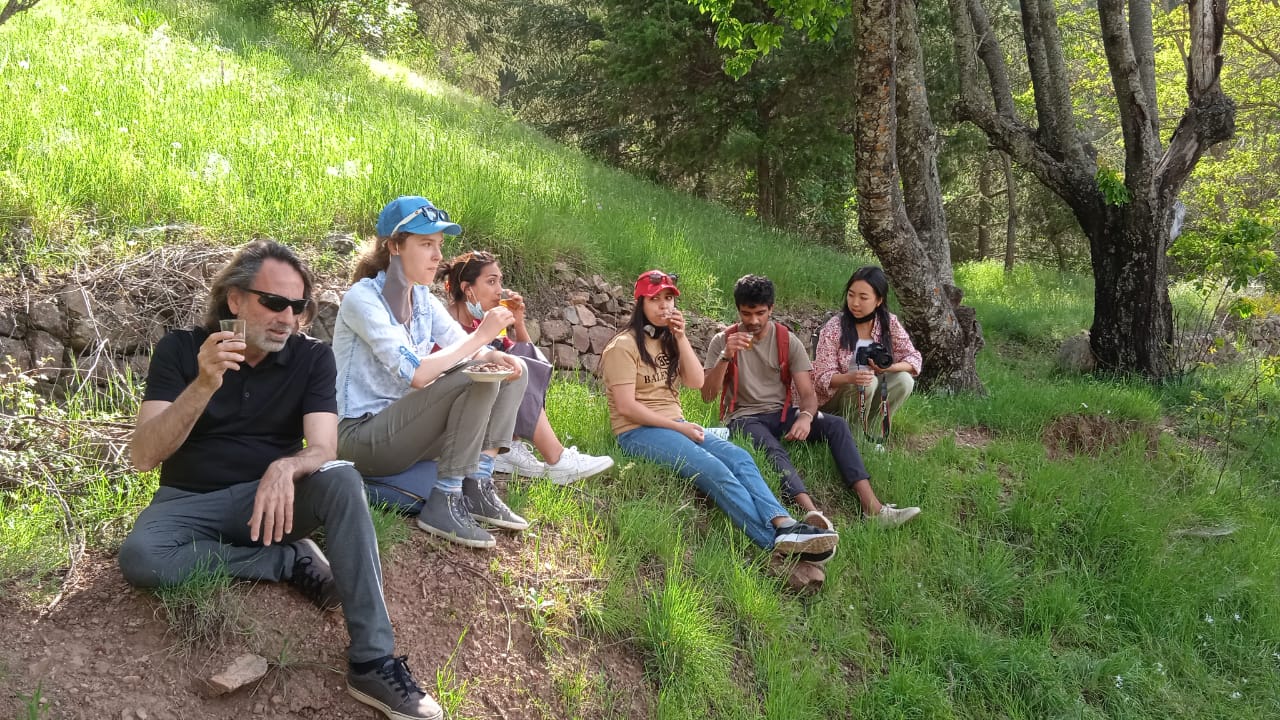
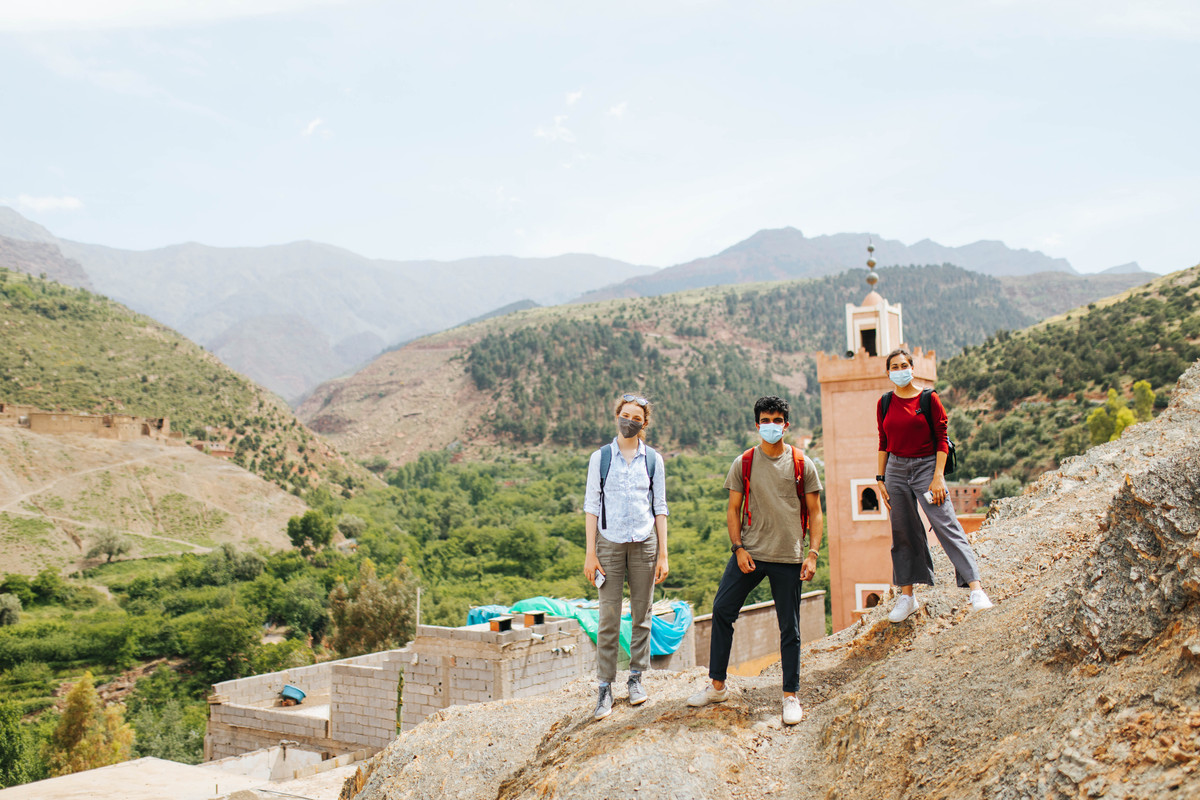
After nearly a year of working with the High Atlas Foundation on the development of a business plan for value added-walnut processing as volunteer consultants from the University of Pennsylvania, our team had the opportunity to visit several of HAF’s agricultural cooperatives and walnut tree nurseries in the Al Haouz province of Morocco. While visiting these sites, we spoke to local growers and processors in order to understand the progress of existing projects, goals for future development, and barriers that remain to maximizing economic and social returns for rural communities. We began our trip with a visit to the House of Life Fruit Tree Nursery in Akrich. We were amazed by the innovative agricultural techniques that have allowed this nursery to sustainably grow and thrive. After a tour of the nursery and burial ground of a Jewish-Moroccan saint, we enjoyed a traditional Moroccan breakfast with the caretaker and another volunteer from Slovenia who has been in Akrich since January conducting anthropological research. In addition to issues related to sustainable agriculture, we discussed structural barriers to girls’ education in the region. From Akrich, we continued our journey and made our next stop at HAF’s walnut processing facility in Al Haouz. This visit was particularly meaningful as it imbued our work from the past several months with a concrete, perceptible dimension. Seated at the front steps of the facility, in a small courtyard with a breathtaking view of the High Atlas Mountains, we received a highly detailed account of the various steps involved in walnut-processing operations, from the initial purchase of raw walnuts from local growers to the packaging, labeling and certification of finished products. This conversation was invaluable to our finalization of the business plan, helping us to verify and adjust our assumptions to fit the specific social, economic, and environmental context of the local community.
Our final visit of the afternoon was to the Takhrkhourt Women’s Cooperative. After sharing some laughs over stories of their time attending primary school together, the young women emphasized to us the sense of inner peace and happiness that they had found in their work at the cooperative. They disclosed that after years of staying at home, the opportunity to go to work each day and to witness and enjoy the fruits of their labor has been enormously fulfilling.